What is Least Cost Routing (LCR) and Benefits
Least Cost Routing allows businesses to choose the cheaper network for processing debit payments. This simple change can lower what you pay to accept cards.
On this page
For Australian business owners, the cost of doing business is a constant concern. One of the most overlooked expenses is the merchant fee associated with every tap-and-go transaction. This is where Least Cost Routing (LCR), also known as Merchant Choice Routing, becomes an essential strategy for your payment solutions.
The Dual-Network Reality in Australia
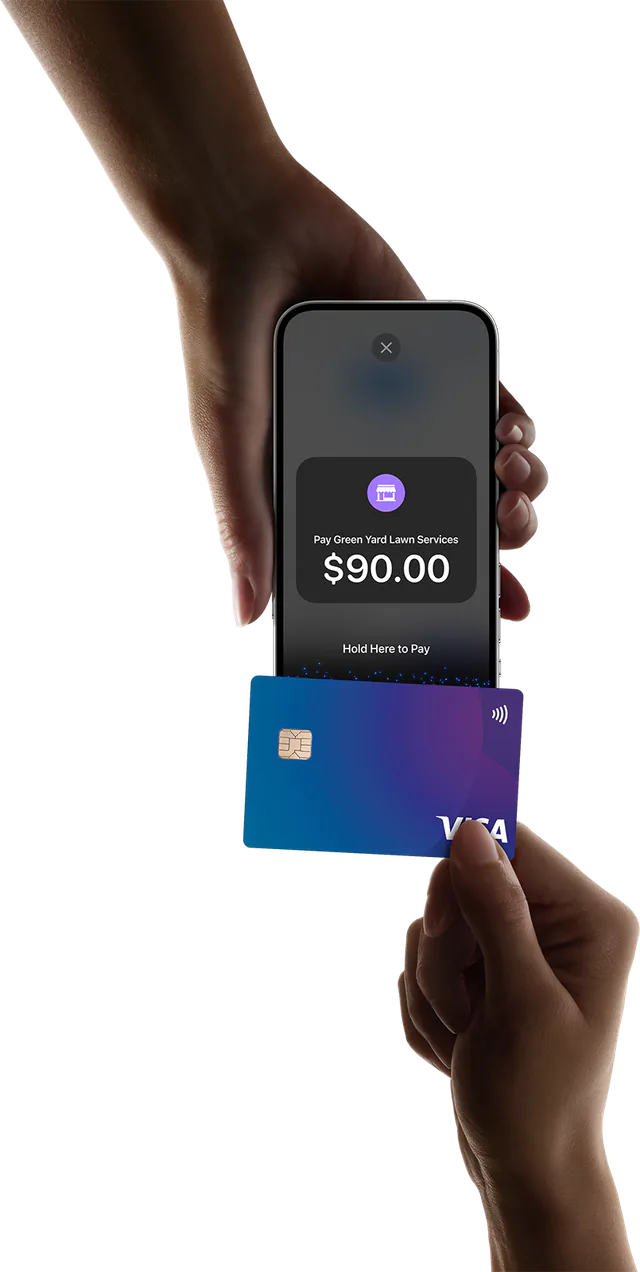
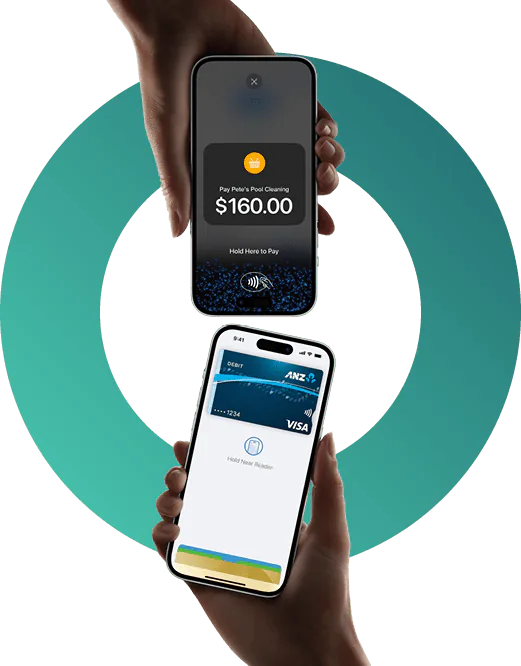
Most debit cards issued in Australia are 'dual-network.' They feature the domestic EFTPOS logo on the back and a global scheme logo (like Visa or Mastercard) on the front. When a customer taps their card to pay, the transaction can be processed through either the EFTPOS network or the Visa/Mastercard network.
Historically, the default was often the global scheme, which generally carries higher percentage-based fees. LCR allows the merchant to choose which network handles the transaction, typically routing it through the cheapest available option.
Dual-network debit card
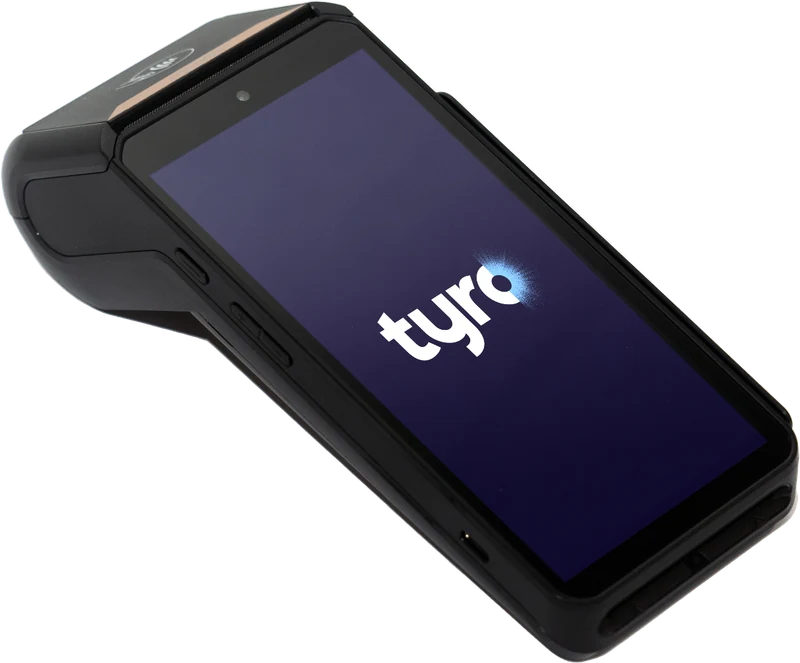
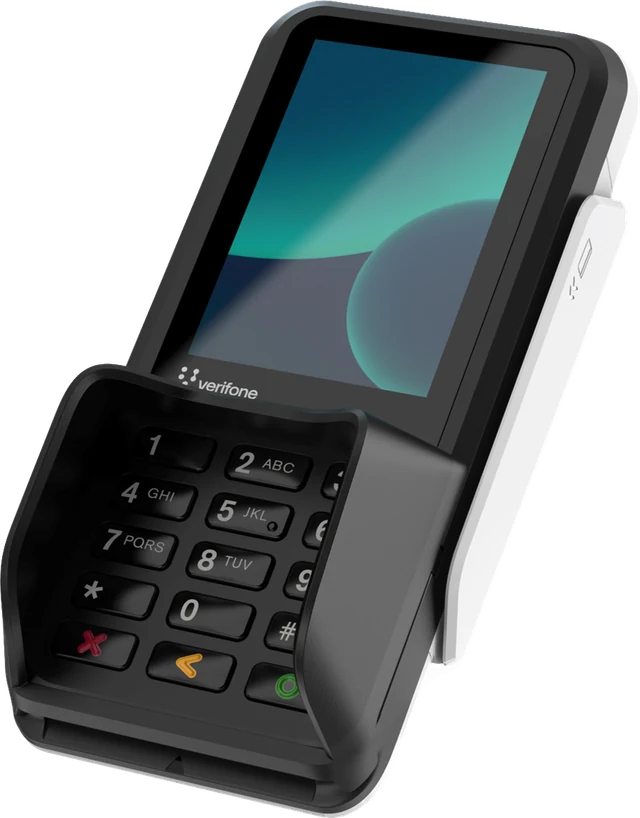
Your terminal
LCR switched on
- eftpos networkCheaper route for this payment
- Visa or Mastercard networkNot used this time
Where the Saving Comes From
In Australia, the cost difference between networks can add up.
- Global Schemes (Visa/Mastercard): Often charge a percentage of the transaction.
- EFTPOS Network: Often offers a flat cent-per-transaction fee or a lower percentage.
For a busy cafe with a high volume of debit payments, the savings through LCR build up over a year. That's money that stays in the business. The Reserve Bank of Australia (RBA) has been a strong advocate for LCR, pushing banks to make it more accessible to help lower the cost of payments across the economy.
How LCR Works at the Terminal
Modern payment solutions are 'smart.' When you enable LCR through your terminal provider, the hardware automatically detects the card type. If the transaction value is above a certain threshold (where a percentage fee becomes more expensive than a flat fee), it routes via EFTPOS. If it's a very small transaction where a percentage is cheaper, it might stay on the global network.
This 'least cost' logic happens in milliseconds and is invisible to the customer. They still get the convenience of 'tap-and-go,' and you get the benefit of lower fees.
Choosing the Right Partner
Not all EFTPOS providers offer true LCR. Some might offer 'simple' routing while others offer 'dynamic' routing. Ask your provider whether LCR is switched on for your account, whether it covers contactless (tap) payments, and how routing is decided.
Beyond just LCR, integrating your payments with a robust POS system ensures that your reconciliation and accounting are as efficient as your transaction routing.
Send us a recent merchant statement and we'll show you whether LCR is switched on and what it could change for your business. Contact us or request a quote.
- LCR
- Merchant Fees
- Savings
- Payments